Why Temporary Failure Should Not Define A Player
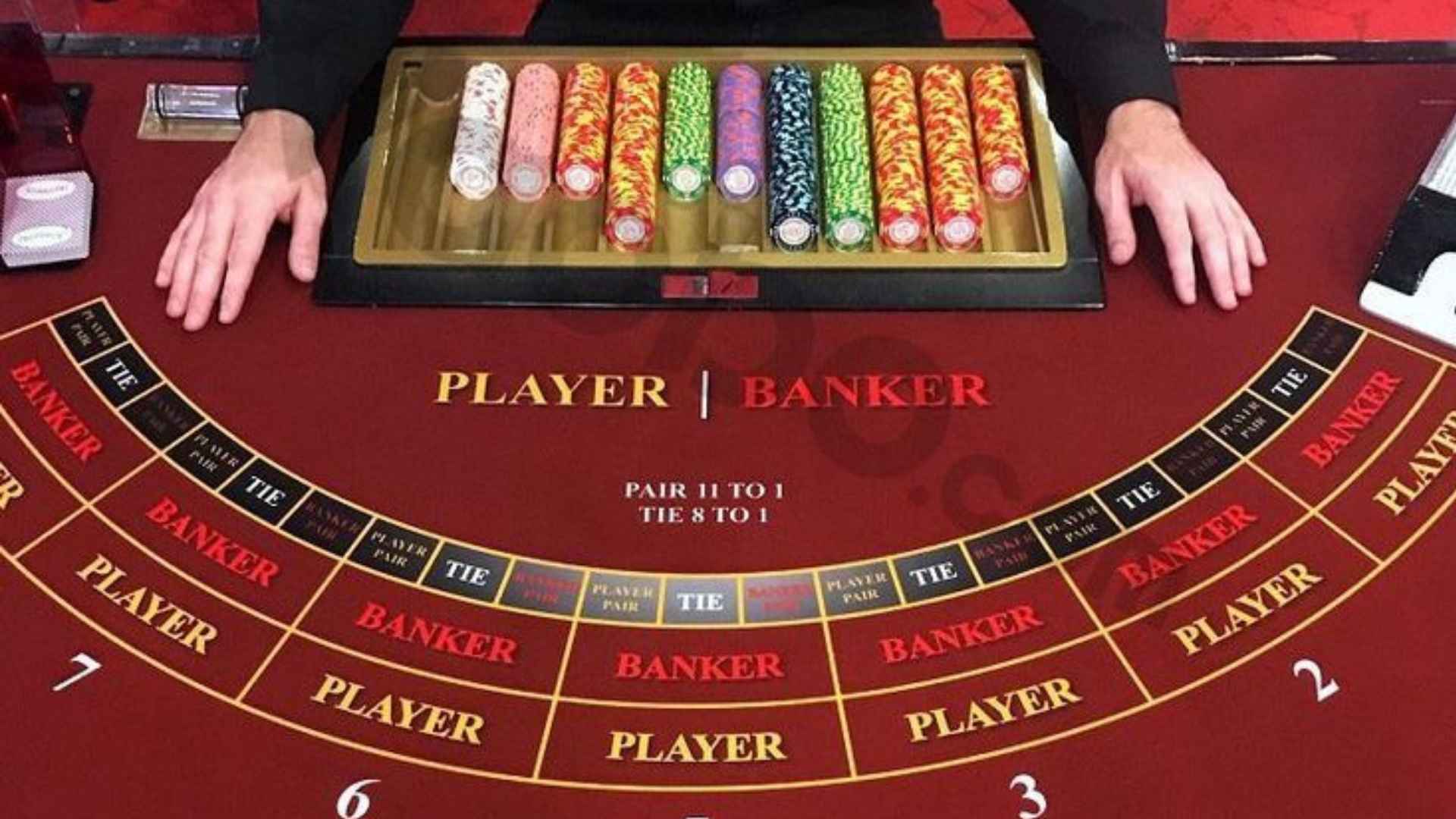
In competitive environments, experiencing a setback is often an inevitable part of the journey toward long-term mastery. Many individuals mistakenly view short-term losses as a reflection of their overall capability rather than a natural phase of strategic development. Understanding why temporary failure should not define a player allows competitors to build psychological resilience and maintain focus through every stage of their career.
The Role of Variance in Skill-Based Games
In strategic games, short-term outcomes are heavily influenced by natural variance rather than pure skill alone. A player can execute a flawless strategy and still experience a negative result due to factors beyond their immediate control. Recognizing this separation between decision quality and short-term results helps maintain an objective mindset during difficult streaks.
When results fluctuate, assessing decisions based on logical consistency rather than emotional disappointment becomes essential. Over time, high-quality choices outweigh short-term variance, leading to steady progress and consistent performance. Strategic clarity ensures that temporary setbacks remain isolated events rather than permanent indicators of ability.
Reframing Setbacks into Learning Opportunities
Viewing a loss as a diagnostic tool transforms frustrating moments into valuable learning opportunities for personal growth. Analyzing missteps helps identify subtle tactical gaps and refines future decision-making under intense pressure. Top performers systematically study their past mistakes to construct stronger, more adaptable strategies over time.
Technical disruptions or access issues can also present minor hurdles that test a player's composure and problem-solving skills. For instance, encountering m88 เข้าไม่ได้ during online sessions requires patience while looking for alternative access solutions or support. Navigating these minor interruptions calmly reflects the same emotional discipline required to overcome setbacks during live gameplay.
Building Emotional Resilience Under Pressure
Emotional stability is often the main differentiator between casual competitors and elite masters in high-stakes environments. Allowing short-term losses to trigger frustration frequently leads to erratic play, exacerbating existing difficulties. Developing mental resilience ensures that a single bad round does not compromise an entire gaming session.
Maintaining an even keel prevents emotional fatigue from degrading logical reasoning during critical decision points. Successful players practice mindfulness and cognitive conditioning to remain composed under adverse circumstances. Emotional regulation protects both strategic integrity and overall confidence during tough competitive stretches.
Focusing on Long-Term Growth Over Quick Wins
A career or hobby built on skill requires evaluating performance across thousands of decisions rather than individual hands or matches. Long-term progress relies on daily discipline, continuous learning, and maintaining confidence through unavoidable downturns. Prioritizing sustainable development allows players to navigate short-term instability without losing sight of their ultimate goals.
Ultimately, temporary failure is merely a temporary dynamic within a much larger continuum of skill acquisition. Competitors who embrace setbacks as necessary stepping stones inevitably achieve greater endurance and refined tactical mastery. By refusing to let short-term losses define their identity, players unlock their full potential over time.