is 1440p worth it over 1080p Resolution Comparison for Gaming
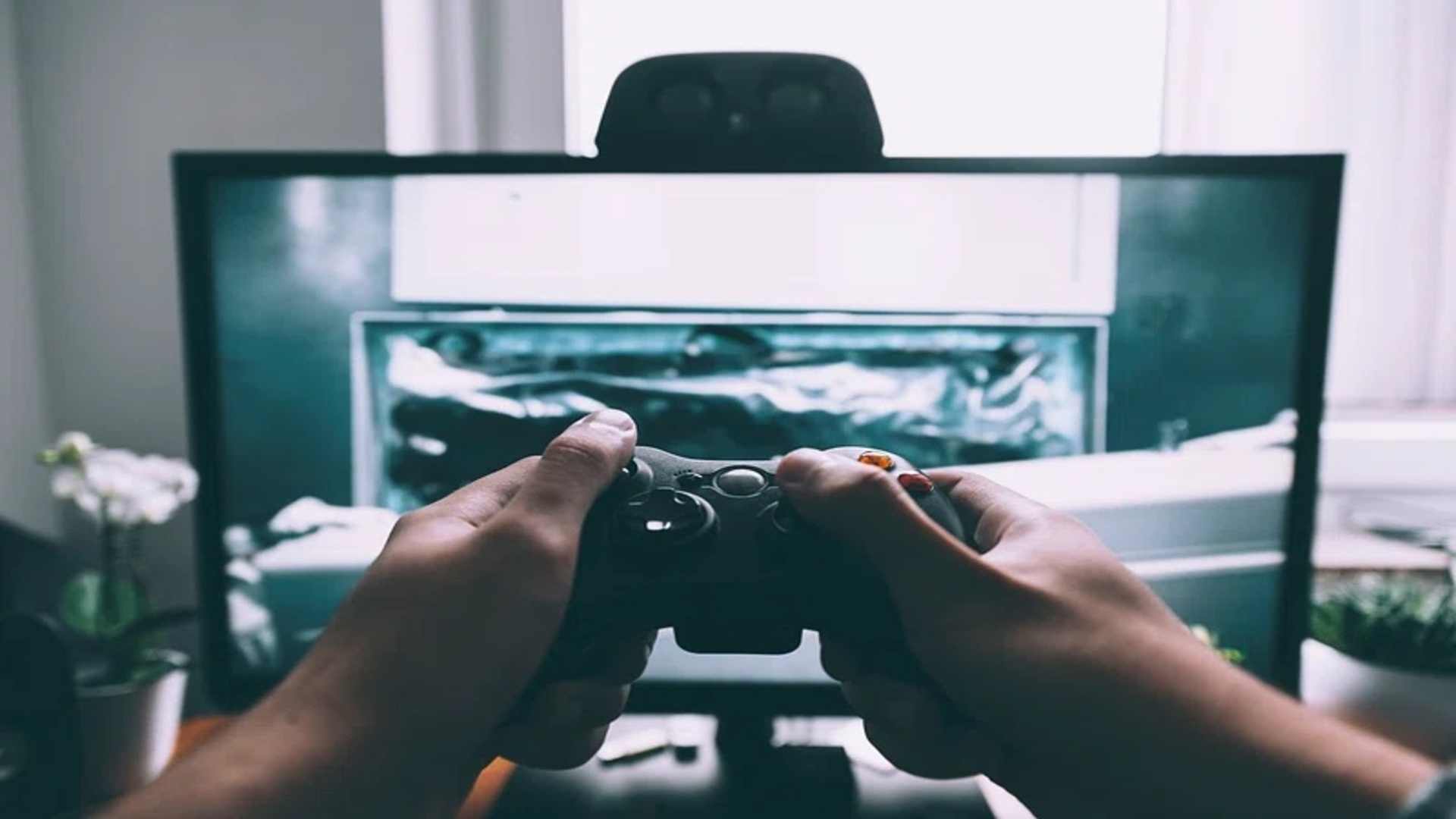
Choosing the ideal monitor resolution is one of the most critical decisions a PC gamer can make when upgrading their setup. While 1080p has served as the universal baseline for competitive and casual gaming for over a decade, 1440p has rapidly emerged as the sweet spot for modern hardware. Balancing performance costs against overall clarity ensures you can maximize your immersion without completely destroying your frame rates.
The Visual Leap in Pixel Density
Stepping up to 1440p introduces a massive upgrade in sharpness because it packs nearly eighty percent more pixels than a standard 1080p screen. This significant density boost means environmental details like fine texturing, distant targets, and small text become incredibly crisp on your display. Games look substantially more lifelike, reducing the noticeable pixel grid pattern that often plagues larger 1080p gaming monitors.
The improved visual real estate also transforms your daily productivity and desktop navigation outside of virtual battlefields. You can comfortably manage multiple application windows side by side without experiencing cramped UI configurations. This makes the physical upgrade highly versatile for users who split their screen time between intensive gaming sessions and creative work tasks.
Understanding the Hardware Performance Cost
Rendering an increased pixel count demands significantly more processing power from your graphics card during fast-paced scenarios. Moving to a higher resolution means your GPU must perform millions of additional mathematical calculations every single second to draw the scene accurately. Consequently, players can expect a noticeable drop in their overall frames per second when making this specific transition.
Mid-range and high-end graphics cards handle this extra load effortlessly, maintaining fluid movement across modern titles. However, budget systems might struggle to maintain stable performance thresholds without lowering in-game graphical settings. Balancing your target refresh rate against native display boundaries remains essential for preventing sudden stuttering or input lag during competitive matches.
Choosing the Right Screen Size for Gaming
The overall benefits of 1440p become most apparent when paired with a twenty-seven-inch monitor blueprint, which optimizes the human viewing experience. At this specific physical scale, a 1080p configuration begins to show obvious image degradation and jagged edges due to a lower pixels-per-inch baseline. The increased resolution preserves excellent sharpness, allowing competitive players to sit closer to their screens without losing peripheral awareness.
Smaller twenty-four-inch displays generally do not benefit enough from the higher pixel count to justify the extra investment. For these compact setups, sticking with a lower resolution often yields a smoother experience since the pixel grid remains tightly packed naturally. Understanding this relationship helps you avoid spending excess capital on hardware that does not align with your physical desk space limits.
The Verdict on the Ultimate Upgrade
Investing in a 1440p setup is unequivocally worth the cost if your current graphics card possesses the power to sustain high frame rates. The massive improvement in graphical clarity breathing new life into older virtual worlds makes it a phenomenal long-term purchase. It effectively future-proofs your battle station as game developers continue to build highly detailed textures designed for advanced gaming hardware ecosystems.